By Guy Shap – Senior Living and Retirement Expert | Healthcare Professional | Mental Health Advocate
Guide to Top Senior Living Activities
If you’ve found yourself exploring assisted or independent living options for seniors, finding the best engaging senior living activities is likely at the top of your priority list. Ensuring seniors remain active, social, and entertained is crucial for their physical, emotional, and mental well-being. I’m Guy Shap, a senior living advocate. Through my experience, I’ve seen how thoughtfully planned senior living activities can transform retirees’ quality of life in assisted and independent living communities.
Whether you’re seeking fun activities for seniors in assisted living or to enhance the offerings in an active senior living community, this guide will cover key senior living activities, ideas, and tips for creating enriching experiences.
Jump To
Table of Contents
Uncover Engaging and Enriching Senior Living Activities
Discover comprehensive insights into fun senior living activities that foster physical, emotional, and social well-being. This guide includes expertly curated ideas for senior living activities tailored to diverse interests and abilities, ensuring retirees thrive in their golden years. Explore strategies for planning, implementing, and enhancing engagement through meaningful senior living activitiesprograms.
Top 25 Senior Living Activities with Key Insights from a pro
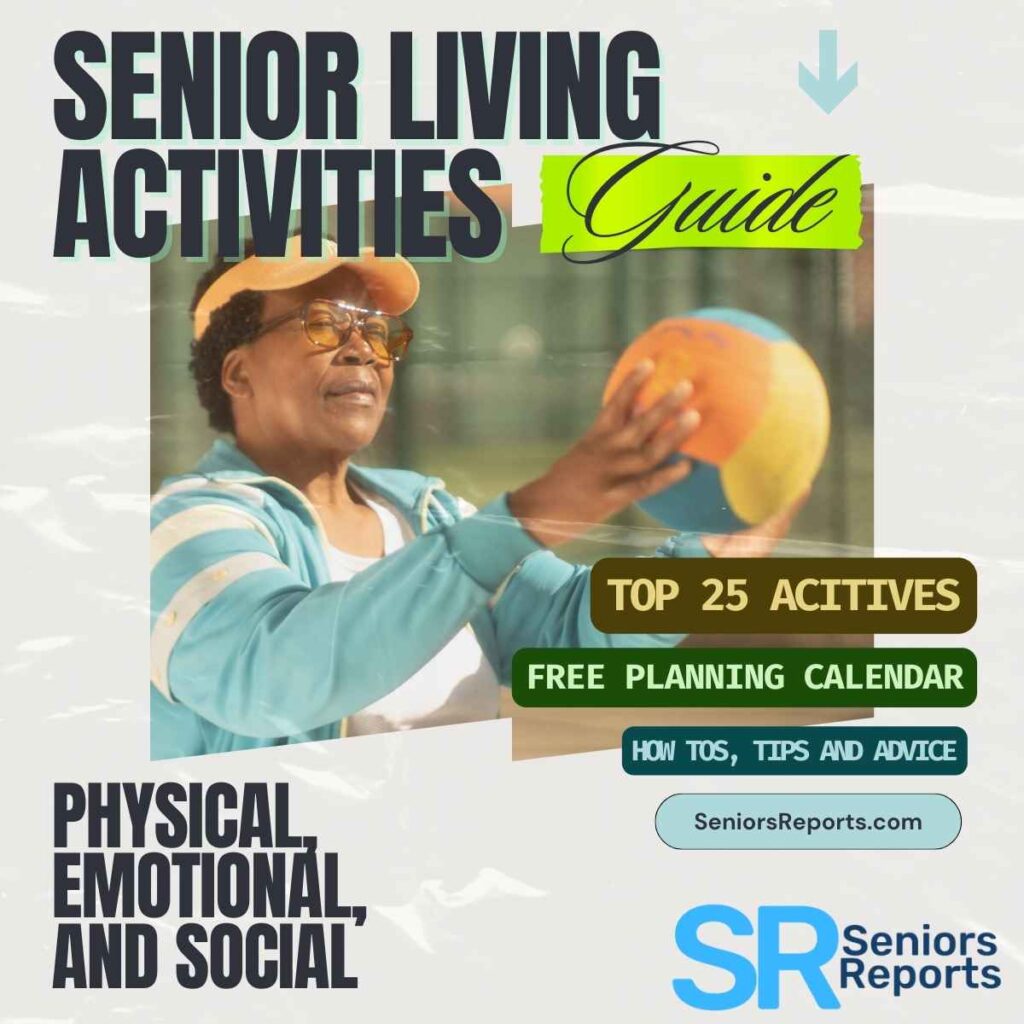
As a senior living advocate, I’ve seen how engaging activities can transform the lives of older adults, fostering social connections, improving mental health, and enhancing overall well-being. Whether you’re a senior looking to enrich your daily life or a caregiver seeking ideas to keep residents active and happy, this chart lists the top 25 senior living activities. Each activity includes practical “how-tos,” tips, and advice to ensure maximum enjoyment and benefits.
Popular 25 senior living activities
| Activity | How-To | Tips and Advice |
|---|---|---|
| Chair Yoga | Follow online tutorials or hire an instructor for gentle stretches in a seated position. | Start with short sessions (10-15 minutes) and focus on breathing techniques for relaxation. |
| Gardening | Use raised garden beds or container gardening for accessibility. | Choose easy-to-grow plants like herbs or flowers to build confidence and maintain interest. |
| Art Classes | Provide materials like paints, brushes, and canvases; offer guided sessions. | Encourage self-expression without focusing on perfection—art is about creativity, not results. |
| Book Clubs | Select books with themes that resonate with seniors; host weekly discussions. | Rotate book selections among participants to keep everyone engaged and valued. |
| Music Therapy | Play familiar songs or invite musicians for live performances. | Use music from their youth to evoke positive memories and emotions. |
| Walking Groups | Organize group walks in safe, scenic areas like parks or gardens. | Provide walking aids if needed and schedule walks during cooler parts of the day to avoid fatigue. |
| Cooking Classes | Teach simple recipes that accommodate dietary restrictions. | Focus on healthy meals that are easy to prepare and involve hands-on participation for sensory engagement. |
| Board Games | Offer games like Scrabble, chess, or bingo for cognitive stimulation. | Choose games that match participants’ skill levels to ensure inclusivity and enjoyment. |
| Pet Therapy | Arrange visits from trained therapy animals like dogs or cats. | Ensure participants are comfortable with animals and consider allergies before scheduling visits. |
| Movie Nights | Screen classic films or popular new releases in a communal space. | Provide comfortable seating and snacks to create a theater-like experience at home. |
| Tai Chi | Hire an instructor to teach slow, meditative movements in small groups. | Focus on balance and flexibility—perfect for seniors with mobility challenges. |
| Knitting/Crocheting | Provide yarn and needles; host group sessions for crafting projects like blankets or scarves. | Encourage participants to donate finished items to charities for a sense of purpose and fulfillment. |
| Memory Games | Use puzzles, trivia, or memory card games to stimulate cognitive function. | Incorporate topics familiar to participants (e.g., history or pop culture from their era) for added engagement. |
| Dance Classes | Offer low-impact dance sessions like ballroom or line dancing with simple steps. | Use upbeat music to energize participants while ensuring movements are gentle on joints. |
| Photography Club | Provide cameras or smartphones; organize outings for taking pictures of nature or landmarks. | Host photo-sharing sessions where participants can showcase their work and share stories behind their photos. |
| Volunteering Projects | Organize initiatives like knitting for shelters or writing letters to troops overseas. | Highlight the impact of their contributions to foster a sense of purpose and community involvement. |
| Bird Watching | Set up feeders near windows or organize outdoor bird-watching trips with binoculars provided. | Provide bird identification guides to make the activity educational as well as relaxing. |
| Meditation Sessions | Guide participants through mindfulness exercises in a quiet space with calming music or sounds. | Start with short sessions (5-10 minutes) and gradually increase duration as they become more comfortable with the practice. |
| Tech Tutorials | Teach seniors how to use smartphones, tablets, or computers for communication and entertainment. | Focus on practical skills like video calls, email, or accessing online resources; keep instructions simple and clear. |
| Scrapbooking | Provide materials like paper, scissors, glue, and old photos; encourage storytelling through crafts. | Help participants preserve memories by creating themed scrapbooks (e.g., family history). |
| Fitness Classes | Offer chair aerobics, resistance band exercises, or water aerobics in accessible formats. | Tailor exercises to individual abilities and ensure proper hydration during sessions. |
| Storytelling Circles | Host group sessions where participants share life stories or anecdotes from their pasts. | Create a safe space where everyone feels heard—this fosters connection among participants. |
| Puzzle Solving | Provide jigsaw puzzles of varying difficulty levels based on participant preferences. | Choose puzzles with large pieces for those with dexterity challenges; work collaboratively as a group if needed. |
| Seasonal Crafts | Organize activities tied to holidays (e.g., making ornaments during Christmas). | Use these crafts as decorations within the community to create a festive atmosphere everyone can enjoy! |
| Outdoor Picnics | Plan group outings with food, games, and music in nearby parks or gardens. | Ensure accessibility by choosing locations with flat terrain; bring portable seating for comfort during meals. |
Engaging in meaningful senior living activities is essential for physical, emotional, and social well-being. This list has something for everyone, from creative pursuits like art classes and scrapbooking to physical activities such as chair yoga and walking groups.

I advise focusing on inclusivity by tailoring activities to individual abilities while fostering a sense of purpose through group participation. Whether knitting blankets for charity or sharing life stories in storytelling circles, these activities can enrich seniors’ lives while building stronger community bonds.
For caregivers: Remember that even small efforts can have a significant impact—listen to what residents enjoy most and adapt activities accordingly!
Two-Week Senior Living Activities Calendar with Insights, How Tos, and Tips
Engaging in meaningful senior living activities is essential for retirees’ physical, emotional, and social well-being. As a senior living advocate, I have seen how thoughtfully planned activities can foster community connections, reduce stress, and enhance happiness. Below is a two-week calendar of senior living activities designed to inspire participation and joy. Each day includes three activities with practical guidance and advice to ensure maximum benefit.
Two-Week Senior Living Activities Calendar
| Day | Activity 1 | Activity 2 | Activity 3 |
|---|---|---|---|
| Monday (Week 1) | Chair Yoga | Gardening | Puzzle Solving |
| Tuesday (Week 1) | Art Classes | Memory Games | Walking Groups |
| Wednesday (Week 1) | Music Therapy | Scrapbooking | Tai Chi |
| Thursday (Week 1) | Dance Classes | Bird Watching | Knitting/Crocheting |
| Friday (Week 1) | Cooking Classes | Photography Club | Movie Night |
| Saturday (Week 1) | Volunteering Projects | Meditation Sessions | Board Games |
| Sunday (Week 1) | Chair Yoga | Gardening | Puzzle Solving |
| Monday (Week 2) | Art Classes | Memory Games | Walking Groups |
| Tuesday (Week 2) | Music Therapy | Scrapbooking | Tai Chi |
| Wednesday (Week 2) | Dance Classes | Bird Watching | Knitting/Crocheting |
| Thursday (Week 2) | Cooking Classes | Photography Club | Movie Night |
| Friday (Week 2) | Volunteering Projects | Meditation Sessions | Board Games |
| Saturday (Week 2) | Chair Yoga | Gardening | Puzzle Solving |
| Sunday (Week 2) | Art Classes | Memory Games | Walking Groups |
Senior Living Activities Calendar Details and Tips
Monday (Week 1)
- Chair Yoga
How-To: Follow online tutorials or hire an instructor for gentle stretches in a seated position.
Tips: Start with short sessions (10–15 minutes) and focus on breathing techniques for relaxation. - Gardening
How-To: Use raised garden beds or container gardening for accessibility.
Tips: Choose easy-to-grow plants like herbs or flowers to build confidence and maintain interest. - Puzzle Solving
How-To: Provide jigsaw puzzles of varying difficulty levels.
Tips: Choose puzzles with large pieces for those with dexterity challenges.
Tuesday (Week 1)
- Art Classes
How-To: Provide materials like paints, brushes, and canvases; offer guided sessions.
Tips: Encourage self-expression without focusing on perfection—art is about creativity. - Memory Games
How-To: Use puzzles, trivia, or memory card games to stimulate cognitive function.
Tips: Incorporate topics familiar to participants (e.g., history or pop culture from their era). - Walking Groups
How-To: Organize group walks in safe, scenic areas like parks or gardens.
Tips: Provide walking aids if needed and schedule walks during cooler parts of the day.
Wednesday (Week 1)
- Music Therapy
How-To: Play familiar songs or invite musicians for live performances.
Tips: Use music from their youth to evoke positive memories and emotions. - Scrapbooking
How-To: Provide materials like paper, scissors, glue, and old photos; encourage storytelling through crafts.
Tips: Help participants preserve memories by creating themed scrapbooks (e.g., family history). - Tai Chi
How-To: Hire an instructor to teach slow, meditative movements in small groups.
Tips: Focus on balance and flexibility—perfect for seniors with mobility challenges.
Thursday (Week 1)
- Dance Classes
How-To: Offer low-impact dance sessions like ballroom or line dancing with simple steps.
Tips: Use upbeat music to energize participants while ensuring gentle movements on joints. - Bird Watching
How-To: Set up feeders near windows or organize outdoor bird-watching trips with binoculars provided.
Tips: Provide bird identification guides to make the activity educational and relaxing. - Knitting/Crocheting
How-To: Provide yarn and needles; host group sessions for crafting projects like blankets or scarves.
Tips: Encourage participants to donate finished items to charities for a sense of purpose.
Friday (Week 1)
- Cooking Classes
How-To: Teach simple recipes that accommodate dietary restrictions.
Tips: Focus on healthy meals that are easy to prepare and involve hands-on participation. - Photography Club
How-To: Provide cameras or smartphones; organize outings to take pictures of nature or landmarks.
Tips: Host photo-sharing sessions where participants can showcase their work and share stories behind their photos. - Movie Night
How-To: Screen classic films or popular new releases in a communal space.
Tips: Provide comfortable seating and snacks to create a theater-like experience at home.
Saturday (Week 1)
- Volunteering Projects
How-To: Organize initiatives like knitting for shelters or writing letters to troops overseas.
Tips: Highlight the impact of their contributions to foster a sense of purpose and community involvement. - Meditation Sessions
How-To: Guide participants through mindfulness exercises in a quiet space with calming music or sounds.
Tips: Start with short sessions (5–10 minutes) and gradually increase the duration as the child becomes more comfortable with the practice. - Board Games
How-To: Offer games like Scrabble, chess, or bingo for cognitive stimulation.
Tips: Choose games that match participants’ skill levels to ensure inclusivity and enjoyment.
Sunday (Week 1)
- Chair Yoga
How-To: Follow online tutorials or hire an instructor for gentle stretches in a seated position.
Tips: Start with short sessions (10–15 minutes) and focus on breathing techniques for relaxation. - Gardening
How-To: Use raised garden beds or container gardening for accessibility.
Tips: Choose easy-to-grow plants like herbs or flowers to build confidence and maintain interest. - Puzzle Solving
How-To: Provide jigsaw puzzles of varying difficulty levels.
Tips: Choose puzzles with large pieces for those with dexterity challenges.
Monday (Week 2)
- Art Classes
How-To: Provide materials like paints, brushes, and canvases; offer guided sessions.
Tips: Encourage self-expression without focusing on perfection—art is about creativity. - Memory Games
How-To: Use puzzles, trivia, or memory card games to stimulate cognitive function.
Tips: Incorporate topics familiar to participants (e.g., history or pop culture from their era). - Walking Groups
How-To: Organize group walks in safe, scenic areas like parks or gardens.
Tips: Provide walking aids if needed and schedule walks during cooler parts of the day.
Tuesday (Week 2)
- Music Therapy
How-To: Play familiar songs or invite musicians for live performances.
Tips: Use music from their youth to evoke positive memories and emotions. - Scrapbooking
How-To: Provide materials like paper, scissors, glue, and old photos; encourage storytelling through crafts.
Tips: Help participants preserve memories by creating themed scrapbooks (e.g., family history). - Tai Chi
How-To: Hire an instructor to teach slow, meditative movements in small groups.
Tips: Focus on balance and flexibility—perfect for seniors with mobility challenges.
Wednesday (Week 2)
- Dance Classes
How-To: Offer low-impact dance sessions like ballroom or line dancing with simple steps.
Tips: Use upbeat music to energize participants while ensuring gentle movements on joints. - Bird Watching
How-To: Set up feeders near windows or organize outdoor bird-watching trips with binoculars provided.
Tips: Provide bird identification guides to make the activity educational and relaxing. - Knitting/Crocheting
How-To: Provide yarn and needles; host group sessions for crafting projects like blankets or scarves.
Tips: Encourage participants to donate finished items to charities for a sense of purpose.
Thursday (Week 2)
- Cooking Classes
How-To: Teach simple recipes that accommodate dietary restrictions.
Tips: Focus on healthy meals that are easy to prepare and involve hands-on participation. - Photography Club
How-To: Provide cameras or smartphones; organize outings to take pictures of nature or landmarks.
Tips: Host photo-sharing sessions where participants can showcase their work and share stories behind their photos. - Movie Night
How-To: Screen classic films or popular new releases in a communal space.
Tips: Provide comfortable seating and snacks to create a theater-like experience at home.
Friday (Week 2)
- Volunteering Projects
How-To: Organize initiatives like knitting for shelters or writing letters to troops overseas.
Tips: Highlight the impact of their contributions to foster a sense of purpose and community involvement. - Meditation Sessions
How-To: Guide participants through mindfulness exercises in a quiet space with calming music or sounds.
Tips: Start with short sessions (5–10 minutes) and gradually increase duration as they become more comfortable with the practice. - Board Games
How-To: Offer games like Scrabble, chess, or bingo for cognitive stimulation.
Tips: Choose games that match participants’ skill levels to ensure inclusivity and enjoyment.
Saturday (Week 2)
- Chair Yoga
How-To: Follow online tutorials or hire an instructor for gentle stretches in a seated position.
Tips: Start with short sessions (10–15 minutes) and focus on breathing techniques for relaxation. - Gardening
How-To: Use raised garden beds or container gardening for accessibility.
Tips: Choose easy-to-grow plants like herbs or flowers to build confidence and maintain interest. - Puzzle Solving
How-To: Provide jigsaw puzzles of varying difficulty levels.
Tips: Choose puzzles with large pieces for those with dexterity challenges.
Sunday (Week 2)
- Art Classes
How-To: Provide materials like paints, brushes, and canvases; offer guided sessions.
Tips: Encourage self-expression without focusing on perfection—art is about creativity. - Memory Games
How-To: Use puzzles, trivia, or memory card games to stimulate cognitive function.
Tips: Incorporate topics familiar to participants (e.g., history or pop culture from their era). - Walking Groups
How-To: Organize group walks in safe, scenic areas like parks or gardens.
Tips: Provide walking aids if needed and schedule walks during cooler parts of the day.
This two-week calendar provides a variety of engaging activities tailored to seniors’ interests and abilities, fostering physical health, mental stimulation, and emotional well-being. From chair yoga and gardening to volunteering projects and meditation sessions, each activity is designed to inspire participation while building community connections.

I emphasize inclusivity by adapting activities to individual needs while fostering purpose through group events—creating art, sharing life stories, or enjoying nature. By focusing on these activities, seniors can enhance their quality of life and build stronger bonds within their community.
Why Do Senior Living Activities Matter?
Supportive senior living activities go beyond providing entertainment. They are vital in ensuring seniors remain engaged, active, and socially connected. For caregivers, activity directors, and families, you’ll find that well-planned activities can:
- Boost overall morale and happiness.
- Support physical health and mobility.
- Encourage social bonds and reduce feelings of isolation.
- Promote cognitive function and memory retention.
Whether you’re planning activities for seniors in assisted living facilities or looking to create vibrant events in a resort-style active senior living community, these benefits highlight the value of thoughtfully curated programs.
Some seniors may be hesitant to participate in activities due to physical limitations or lack of interest, but caregivers and staff members need to encourage and support their involvement gently. By offering various options and adapting activities to individual needs, seniors can still experience the many benefits of engaging in social and recreational events.
In addition to positively impacting seniors, well-planned activities can also ripple effect on their families and loved ones. When seniors are happy and fulfilled, their family members feel reassured knowing they are in good hands. Activities also provide opportunities for families to connect and bond with their elderly loved ones, creating cherished memories together.
Furthermore, participating in social events can help seniors maintain their independence by keeping them physically and mentally active. This can delay or even prevent the need for assisted living or constant care, which can be costly and emotionally challenging for both seniors and their families.
In summary, social and recreational activities are highly beneficial for senior citizens. They improve quality of life, promote physical and mental wellness, stimulate cognitive function, boost self-esteem, strengthen relationships, and encourage independence. As we continue to age as a society, it is crucial to recognize the value of these activities and ensure that seniors have access to fulfilling opportunities to stay socially connected and engaged in their communities. Let’s make aging a journey filled with joy and purpose.

My Favorite Activities for Assisted Living Seniors
Here are some popular options specifically designed for assisted living environments where residents may require varying levels of support.
1. Creative Arts & Crafts
- Create seasonal decorations like wreaths or ornaments.
- Offer painting or pottery classes.
- Encourage journaling and poetry writing for personal expression.
2. Gentle Group Exercise
- Chair yoga or seated aerobics.
- Tai Chi for balance and relaxation.
- Guided walking groups within the community.
3. Game and Trivia Nights
- Bingo with fun prizes.
- Trivia nights focusing on history or popular culture.
- Card games like bridge or poker can stimulate critical thinking.
4. Music and Dance Therapy
- Live performances by local artists.
- Singing groups or karaoke sessions.
- Dance classes are tailored for all mobility levels.
5. Storytelling and Reminiscence Activities
- Share life stories or create memory books.
- Host group discussions about historical events.
These activities aren’t just fun—they align with key components of senior living activity calendars to ensure regular engagement. By incorporating these activities into your community’s calendar, you can enhance the quality of life for your residents and ensure they stay actively engaged.
Fun activities in senior living communities provide entertainment and positively impact the residents’ cognitive and emotional well-being. Some seniors may feel lonely or disconnected from society. These activities aim to create a sense of belonging and foster social interaction within the community. By incorporating these activities into your assisted living community, you can show your residents they are valued and create a warm and inclusive environment for them to thrive in.
Moreover, reminiscence activities have improved seniors’ cognitive function and memory retention. This is especially beneficial for those with Alzheimer’s or dementia, as it helps stimulate their brains and maintain connections with their past. These activities also promote physical activity, crucial for maintaining overall health and preventing common ailments such as osteoporosis and heart disease. By providing opportunities for reminiscing and physical activity, you are promoting the well-being of your residents in a holistic way.
Independent Living Activities for Active Seniors
Seniors in independent living communities often prefer programs that highlight autonomy and exploration. Here’s what works best:
1. Outdoor Adventures
- Gardening clubs for seniors interested in nature.
- Organized trips to parks, museums, or community events.
- Bird-watching clubs.
2. Workshops and Active Learning
- Cooking or baking classes.
- Technology workshops to master smartphones, tablets, or social media.
- Language or book clubs for lifelong learning.
3. Fitness and Wellness Programs
- Active living classes for seniors, like Pilates or water aerobics.
- Personal training sessions are catered to seniors.
- Meditation and wellness seminars promoting mental clarity.
4. Social Events
- Wine and cheese nights or potluck dinners.
- Themed celebration nights (e.g., 70s disco, Hawaiian luau).
- Community volunteer opportunities.
Independent living for active seniors should emphasize community building while catering to evolving interests. The goal is to provide a diverse, inclusive environment encouraging seniors to socialize and engage in meaningful activities.
Some additional benefits of participating in social events at an independent living community include:
- Improved mental health: Social interaction has been shown to improve cognitive function and decrease feelings of loneliness or isolation in seniors.
- Enhanced physical health: Group activities can promote physical activity, reduce the risk of chronic diseases, and improve overall well-being.
- New friendships and connections: Meeting new people with similar interests can lead to lasting friendships and create a sense of belonging within the community.
- Opportunities for learning and growth: Themed nights or volunteer activities offer seniors opportunities to learn new skills and try new things.
Planning Tips for Senior Living Activity Directors
If you’re managing an active living program for seniors, here are practical tips for success:
- Create a Senior Living Activities Calendar:
Outline structured weekly or monthly schedules showcasing a variety of activities (e.g., fitness classes, cultural workshops, and social gatherings). Share these calendars proactively with residents and families.
- Engage Seniors in Activity Planning:
Invite feedback directly from seniors to ensure programs align with their evolving preferences.
- Offer Versatility:
Balance low-intensity and high-energy options to accommodate all mobility and cognitive levels.
- Promote Inclusive Activities:
Ensure residents feel included, regardless of physical or mental abilities. Create creative, adaptive approaches for everyone to participate.
You can foster a thriving, active senior living community with these suggestions. By incorporating engagement into everyday life, seniors can stay mentally and physically stimulated while feeling socially connected. This can ultimately lead to a higher quality of life and overall happiness for all residents.
Moreover, it is essential to remember that every senior living community is unique and may require different approaches to engage its residents. It’s critical to regularly evaluate the success of your programs and make adjustments as needed. Additionally, keeping an open line of communication with seniors about their interests and feedback can help ensure ongoing engagement and satisfaction within the community.
As society continues to evolve, so should our approach to senior living. By prioritizing engagement, inclusivity, and adaptability in our programs, we can create a vibrant environment.
Finding a Vibrant Senior Living Community
Are you searching for an active senior living mobile home community near me? Or perhaps a resort-style active senior living community that offers a perfect blend of independent and assisted living? Programs and services should include:
- On-site group activities and amenities.
- Access to local excursions and diverse social events.
- Expertly curated senior living activity ideas tailored to residents’ needs.
Explore nearby options to find the one that fits your vision of independent living for active seniors.
Resource Section from Senior Reports Daily
Interested in even more guidance? You’ll find these articles on Seniors Reports Daily particularly helpful:
- Top popular assisted living pets allowed by breed and facility
- Best Self Help for the Elderly Resources by State & Federal
- Top 12 Fun Water Exercises for Seniors For Improving Health
- Guide to When to File Social Security Benefits as Single vs Couple
- Expert Insights Before you Buy Long-Term Care Insurance
- Affordable Vacation Packages for Seniors
Takeaways
Planning fun activities for seniors in assisted living or curating programs for active, independent seniors requires thoughtfulness, creativity, and understanding your audience’s interests. You can create an environment that fosters joy, community, and fulfillment by implementing practical ideas and leveraging your unique resources.
As a senior living advocate, I’ve seen lives transformed through meaningful activities. Start curating your programs and encourage seniors to lead vibrant, enriching lives today!